Finally, I made it to Gopala Swamy Hill.
A couple of months ago, while driving back to Angamaly to drop my parents, a college mate of mine, Arun, casually suggested, “Why don’t you stop at Gopala Swamy Betta?” He described it as a temple perched on a hilltop, right before you enter the Bandipur forest range. Sounded perfect.
We actually did reach the foothills that time—around 4 in the evening—on our way to Sultan Bathery. And that’s where poor planning caught up with us. We had no idea that 4 pm was the last bus from the foothill to the top. No bus, no temple. My mom was understandably disappointed.
I had to do some quick damage control and promised her a visit to the Luv Kush Temple in Sultan Bathery (apparently the only one of its kind in India). That place has its mythology and stories, but that’s a blog for another day. For now, let’s stay with Gopala Swamy Betta—the one that got away.
Cut to just last week.
Arun called again, this time with a proper plan: a weekend bike ride to Gopala Swamy Betta, followed by an overnight stay somewhere in the Nilgiris. Redemption trip. Yeah, on “H’ness”.
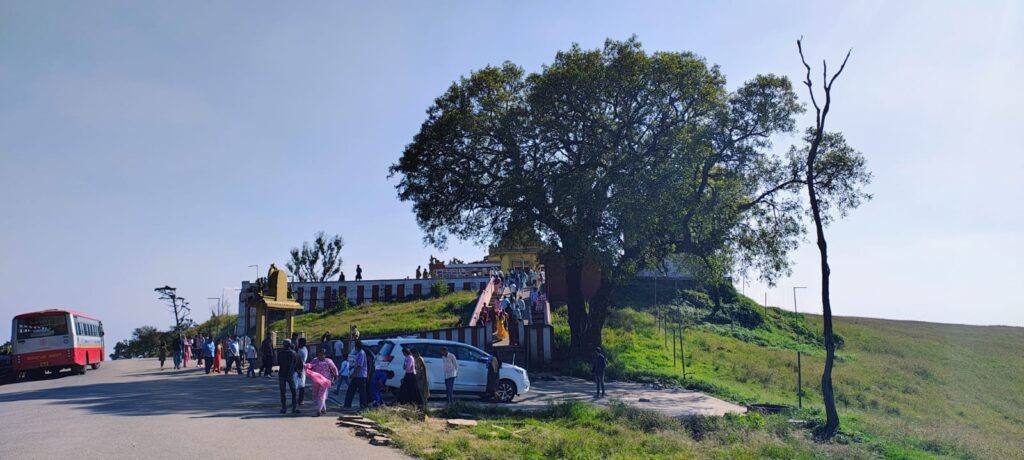
This time, we reached the foothills around 2 pm, well in time, and boarded the state transport bus that takes you up the hill. Being a Saturday, there was a decent crowd, but honestly, it never felt crowded. The buses were frequent and well-managed, and the temple premises were spacious and calm.
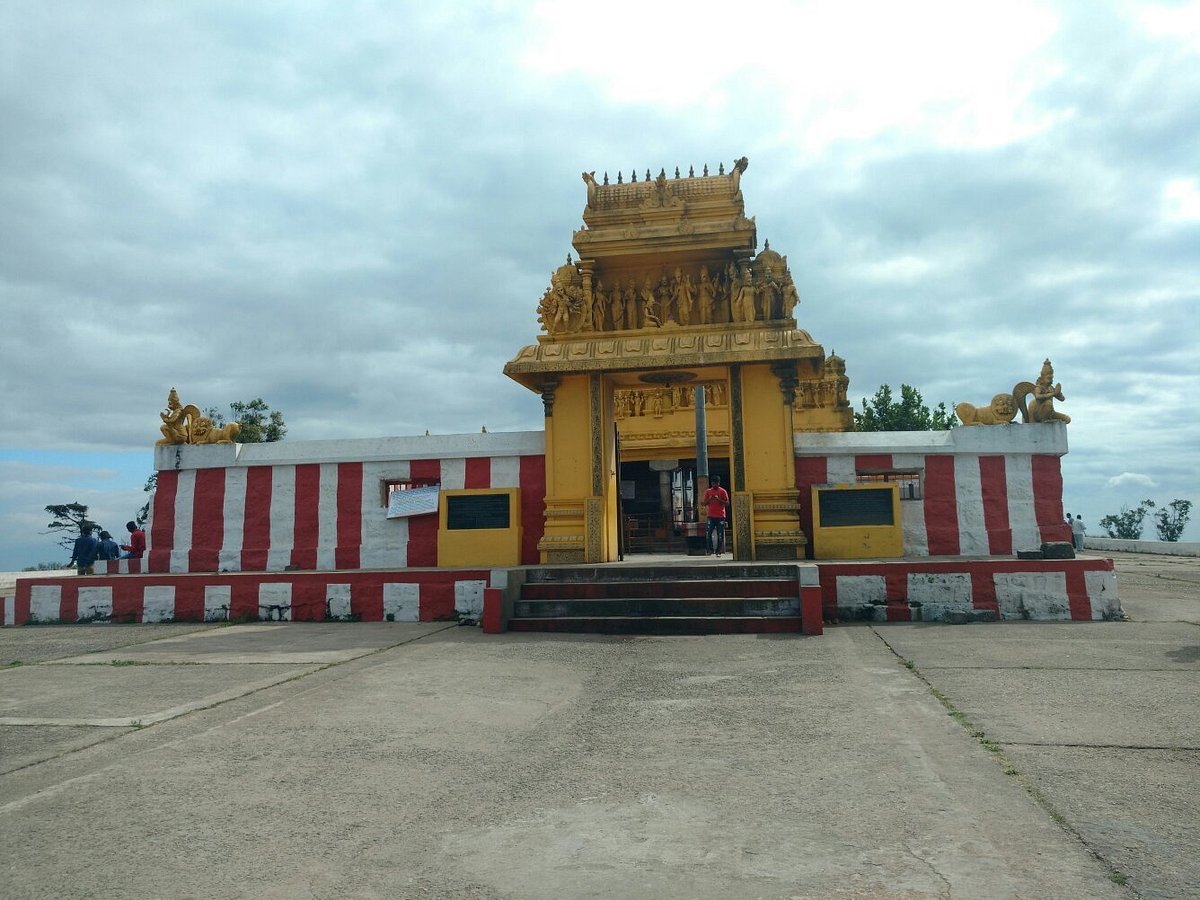
I couldn’t find much written history around the temple itself, but after chatting with a few locals and doing some post-visit Googling, I learned that the temple dates back to the 13th century CE, built during the Hoysala reign.
What really stays with you, though, is the setting.
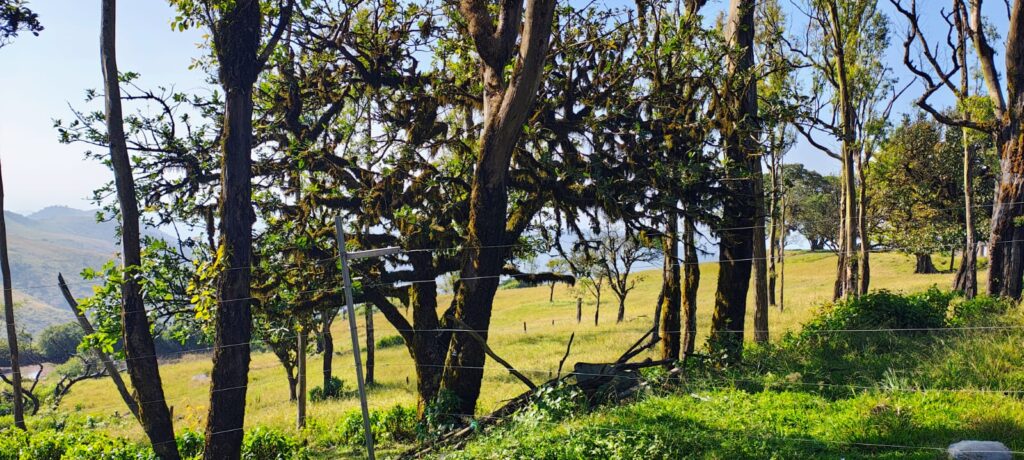
The temple sits right in the core area of the Bandipur Tiger Reserve. You can feel it—you’re clearly a guest there. There were signs of frequent elephant visits (yes, including fresh elephant poop). The hilltop is quiet, open, and surrounded by vast meadows and grasslands. It reminded me a little of Meghalaya and Pahalgam, but with an even deeper silence—probably because there are hardly any human settlements around.
We had lunch there, served as Anna Prasada from the community kitchen. Simple food, peaceful setting, and no rush. The way the bus shuttles are timed with visitor flow keeps the place surprisingly crowd-free.
Some places don’t ask much of you—just that you slow down and be present.
Gopala Swamy Betta felt exactly like that.
We moved on around 4 pm in search of a night halt towards Gudalur, crossing the tiger reserve check posts of Bandhipur and Mudumalai.